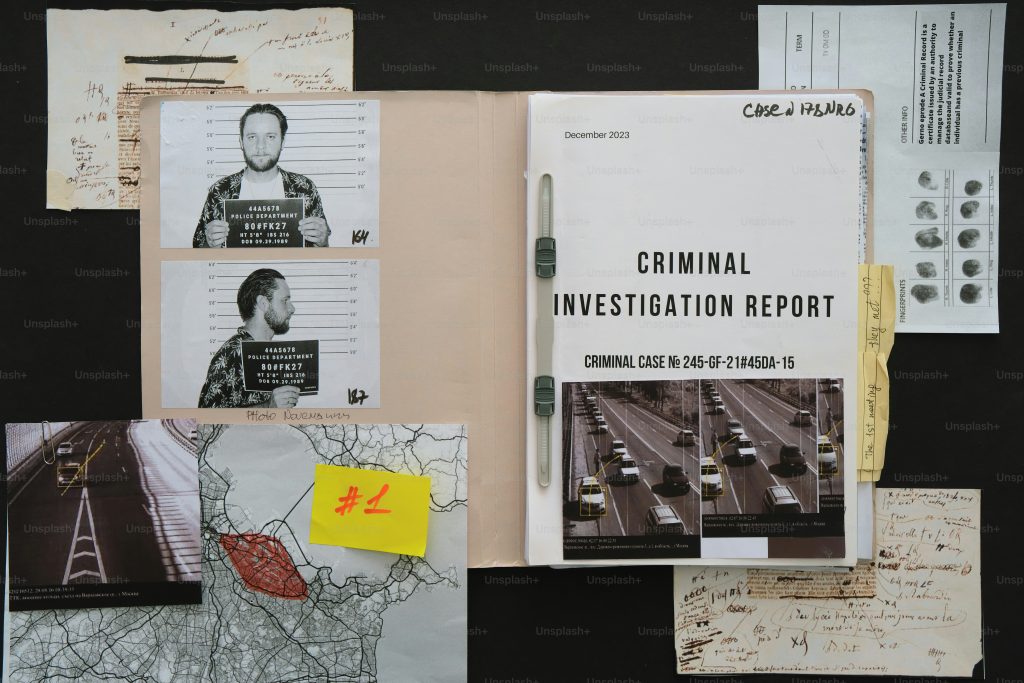
Back in April 1995, The New York Times and Washington Post received identical essays where the anonymous sender argued that modern life eroded human freedom and dignity. The 35000-word academic diatribe concluded that only dismantling technological systems could prevent further psychological and social harm. He offered to stop killing people if the screed was published by the two most prestigious newspapers in the country.
The editorial team at both news outlet were in a dilemma because the mail was from the infamous “Unabomber” – one of the US’s most wanted criminals, a mystery man whose primitive parcel bombs were mailed with no clear motive or regular pattern. For 18 years starting from May 1978, he had evaded law when a primitive homemade bomb was mailed to Northwestern University in Illinois, followed by a second attack almost a year later. Because his targets seemed to be universities and airlines, the FBI came up with the code name UNABOM.
Investigators initially thought it would be a bad idea to publish the manifesto. Many wondered why a fugitive was given a public platform to spread his views. A New York Times columnist or Washington Post guest writer is the last status you want a dreaded criminal to have. Thousands of miles away in distant France, a philosophy professor Linda Patrik was reading a series of articles about the Unabomber in the International Herald Tribune. She told the BBC in 2016: “Just about every other day, I’d look at these articles and kind of scratch my head and say, ‘wow, this kind of sounds like Dave’s brother’.” When her husband Dave actually read the manifesto, he was literally staring at the computer screen considering the possibility that his brother was a serial killer.
The Unabomber was arrested and brought to justice because a human could analyses the ideas and thoughts expressed by a fugitive. Ideas, the expression of ideas and patterns of behaviour reflected in the essay revealed the criminal to his family. Kaczynski was sentenced to life without parole in 1996 and spent the next three decades in prisons. In the AI-era, it doesn’t take a criminal’s brother Dave to analyse speech and text for the purpose of criminal investigation. It won’t take 18 long years for FBI to detect a pattern in seemingly disparate bombs popping up across the country especially in universities and airlines.
Investigative speech analytics is the use of advanced language-processing technology—especially techniques from Natural Language Processing (NLP), Computational Linguistics, and Machine Learning—to analyze spoken communication for patterns, meaning, intent, and evidentiary value in investigations. It goes far beyond simply transcribing audio. It tries to interpret speech in ways that can support criminal investigations, intelligence work, and legal proceedings.
Investigative speech analytics systems process text, audio recordings like phone calls, interrogations, surveillance, etc. to extract structured insights. It can be used for basic purposes like converting into searchable text using automatic speech recognition (ASR). Systems can distinguish between speakers and sometimes match voices using techniques related to Voice Biometrics. Detects suspicious words or coded language. Investigators of organized crimes across the world report suspects avoiding explicit criminal language. Instead they use vague phrases like “take care of that thing”. Metaphorical or coded language is used to ensure safety even when audio is tapped. In financial crime investigations, white collar crimes often involve top executives using casual language in calls.
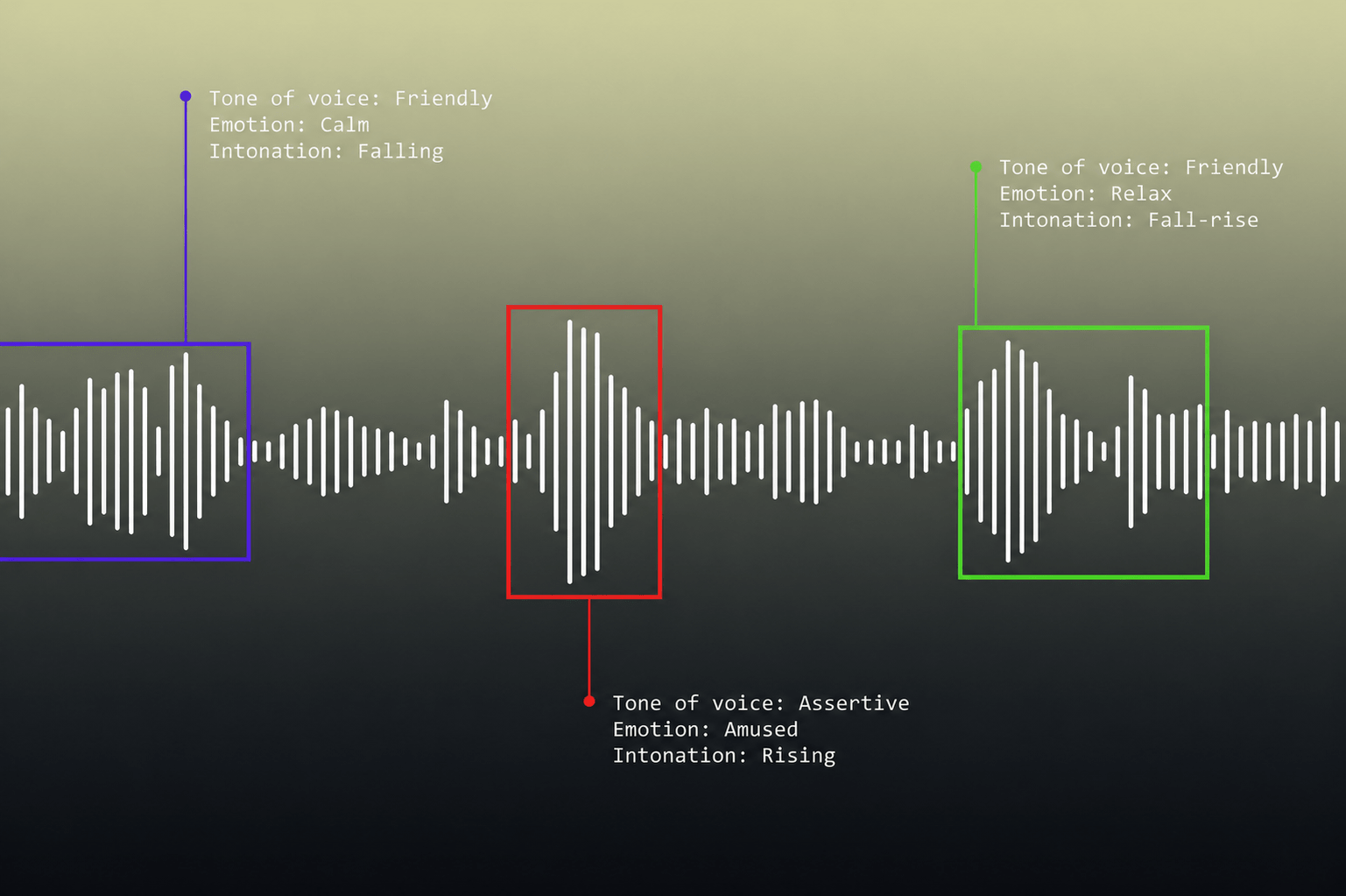
AI can highlight repeated patterns like change of tone and tenor and use of generic words like “Do it before the announcement”. Data analytics tool can map the stock trading history of an insider trader with the coordinated communication network. In case of ransom calls in kidnapping cases, AI can analyze tone like anger, stress, fear that can hint at deception or urgency. Conversation pattern analysis looks at interruptions, hesitation, speech rate, unusual phrasing etc. In the case of Unabomber, the linguistic work was pivotal in shortlisting the suspects.
The investigators who received the manifesto of the serial killer noted an unusual phrasing “you can’t eat your cake and have it too”. The phrasing caught the attention of linguists who traced it back decades ago into a letter to editor published in old Saturday Evening magazine of early 70s. The letter about the evils of the environment being polluted and technology ended with the exact phrasing “you can’t eat your cake and have it too, signed, Theodore J. Kaczynski”. Just a carelessly unique usage of phrasing enabled tracing a serial killer who had been on the run for decades. With advancements in AI, the linguistic work of investigative speech analytics is being taken over by AI tools that analyse words, vocabulary, phrasing, emotions,
The Unabomber was a genius serial killer who took extra-ordinary precaution to ensure secrecy. He left no physical evidence. The bomber would would rip the skins off of the batteries of the bomb so that investigators can’t even find the lot number. Every product including batteries have lot number that could have helped investigators trace the region where it was manufactured or sold. In case of Unabomber, they had no such evidence. He left no fingerprint or DNA trail. For gluing together parts of the bomb, he would avoid commercial glue. FBI laboratory forensic experts found that he was melting deer hooves to create an epoxy that he would then use to glue certain parts together. Little did the cautious bomber realize that a phrase he used in manifesto in 1995 is the same he used in a published letter in the 1970s.
In the AI-era, the criminal would have been behind bars within a few months. Investigative speech analytics would be a key component of forensic evidence in the future as AI-powered tools provide instant cues to round up the suspects immediately.