
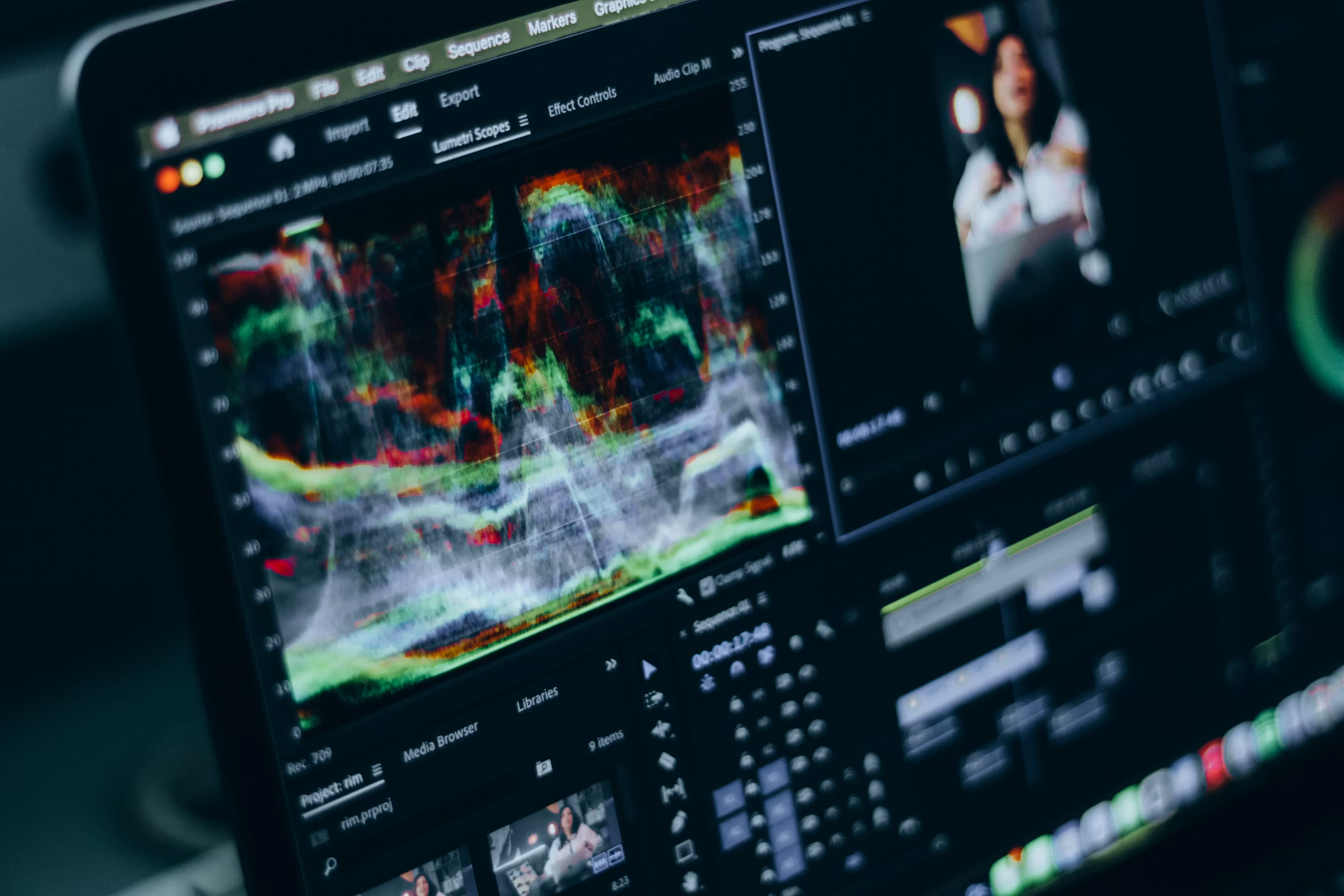
What Is Investigation Data Fusion and Why Modern Policing Depends on It
Investigation data fusion explained: what it means to combine multiple evidence streams into a single analytical picture, and what it requires to do responsibly.
What Is Investigation Data Fusion and Why Modern Policing Depends on It
Investigation data fusion explained: what it means to combine multiple evidence streams into a single analytical picture, and what it requires to do responsibly.
OSINT for Law Enforcement: Tooling, Tradecraft, and Legal Boundaries
How law enforcement uses open source intelligence responsibly: the collection disciplines, verification standards, legal boundaries and governance requirements.
Crime Analysis Software: What Modern Police Intelligence Units Actually Run On
A survey of the crime analysis software stack in modern police intelligence units, what each layer does, and the integration gaps that cause most failures.
CDR Analysis for Investigators: Building a Communication Network From Call Records
A methodological guide to CDR analysis: what call detail records contain, the analytical techniques that work, and the interpretation errors that undermine cases.
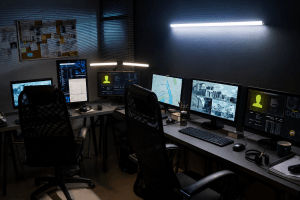
Link Analysis Software: How Investigators Map Networks From Fragmented Data
What link analysis software does, how the entity-link model works, where it fails, and what intelligence units should look for when building the capability.
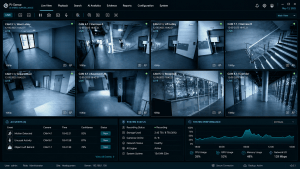
Identifying Persons of Interest from Low-Resolution CCTV: What’s Possible and What Isn’t
What can and cannot be established about a person from low-resolution CCTV, the pixel thresholds that govern it, and how to work a case when the face is unusable.
Choosing Forensic Video Software: 11 Things to Test Before You Buy
An evaluation framework for forensic video software: the eleven capabilities that determine whether a platform holds up in casework and in court.
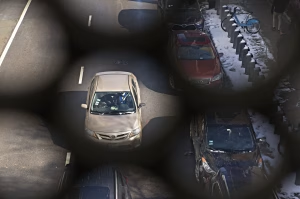
Video Analytics for Police: From 400 Hours of Footage to a Suspect Timeline
How video analytics compresses weeks of CCTV review into hours, what the workflow looks like in practice, and where human judgement stays essential.

How to Enhance CCTV Footage for Investigations (And What “Enhancement” Legally Means)
A practical guide to enhancing CCTV footage for investigations, the processing steps that are forensically defensible, and the ones that will get your evidence excluded.
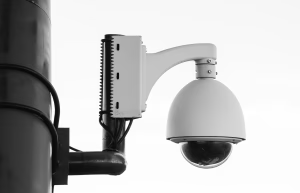
Forensic Video Analysis: A Practitioner’s Guide to Turning CCTV Into Evidence
Forensic video analysis explained for investigators: the workflow from seizure to court, what the discipline actually covers, and where AI genuinely helps.