Imagine a courtroom where two lawyers are bickering over the evidence being presented. The arguments aren’t no longer about dating of the handwritten letter, official seal, document validity or legal tenders. It’s about hex values, file systems, packet captures or metadata time stamps. The lawyers have each brought in their computer science experts and judges are giving a befuddled look.
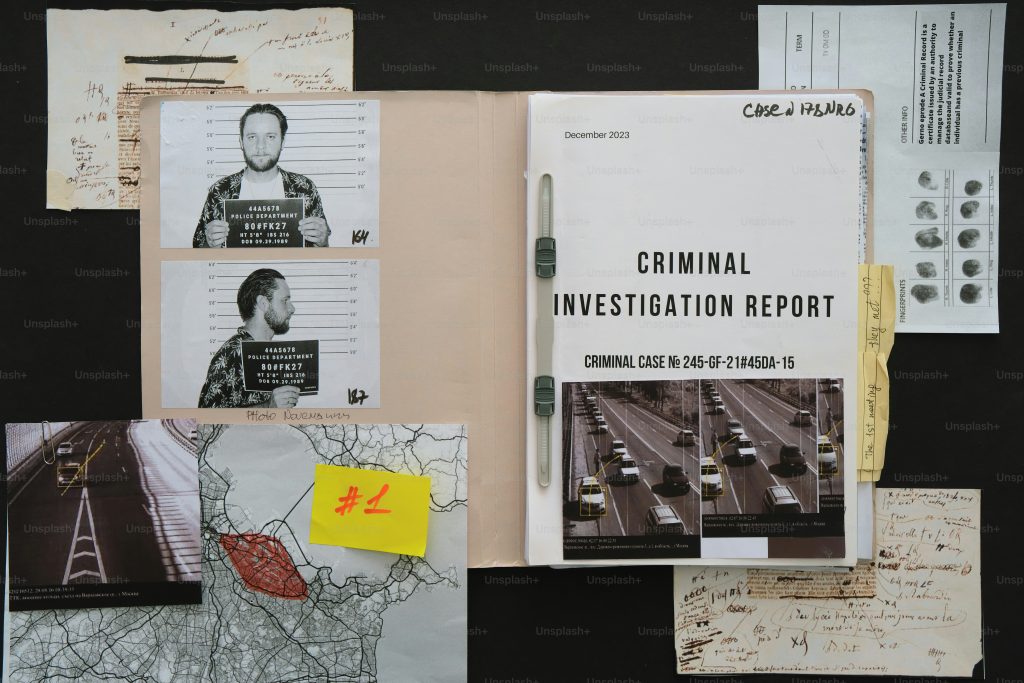
Strangely, it’s no longer science fiction. Gone are the days when witness interrogation, fingerprint analysis and capturing “literally red-handed” would determine guilt. In the digital age, digital forensics is occupying increasingly larger share of courtroom debates before delivery of a verdict. Audio/video evidence, call records, location metadata etc. are becoming the norm in determining the fate of an accused. CCTV footages are among the first piece of evidence that police looks for after entering the crime scene. Whether it’s an altercation at the bar or a brutal murder at midnight, surveillance cameras in public places are quickly leading to possible suspects. In many cases, it’s directly leading to the culprit.
Into the mix came GenAI making video records lose it’s luster. Before the advent of GenAI, video evidence was considered a gold standard in the legal system. Lawyers often struggled to fight back with words in an era where “Seeing is believing” held true. When the tape played in court, the verdict swung decisively leaving the criminal and his lawyer tongue tied. After the arrival of GenAI tools and rapid spread of deepfake, lawyers have another arrow in their quiver. Digital evidence like audio and video could be questioned or misrepresented as AI-generated deepfake. Digital forensics became all important because it should not just provide evidence but also defend itself as a credible one.
The US Department of Homeland security defines Digital forensics as the process of recovering and preserving material found on digital devices during the course of criminal investigations. Digital forensics tools include hardware and software tools used by law enforcement to collect and preserve digital evidence and support or refute hypotheses before courts. Supportive evidence and refuting hypothesis are cornerstones to justice delivery that determine the fate of individuals. The choice of digital forensics voice tools is critical decision that agencies should make.
In a linguistically diverse country like India, accuracy across multiple languages and accents should be the base criteria that voice tools of agencies should be evaluated on. For agencies like traffic police, the voice tools should integrate capacity to operate in noisy environments and pick audio samples from instance of road rage, accident, crime etc. Chain of custody and audit logs are features that enable evidence provided by voice tools to face credibility test in the court. For agencies that operate under high-levels of secrecy like intelligence officials, the tool should be flexible for deployment across different computer network and digital environment.
For enhanced security, air-gapped forensics tools can help reduce risk of sabotage. Air-gapped deployment ensures classified intercepts never leave secure infrastructure. On the other hand, cloud computing exposes the agency to higher risk of data leakage. Control over the storage infrastructure is key to ensuring fidelity of the evidence and reduce likelihood of tampering by interested parties in any litigation. Whether it’s corporate battles or criminal cases, voice tools can serve as a key factor when presented in the right context.
Forensic acoustics is another feature that voice tools should possess. It utilizes the principles of sound wave physics to analyze and interpret audio evidence in criminal investigations. Sound can serve as a vital clue in capturing valuable information such as gunshots, footsteps, voices, explosions, and environmental noise. Through advanced techniques like spectrogram analysis, acoustic triangulation and voice waveform examination, investigators can reconstruct crime scenes identify suspects and verify events with accuracy.
Voice tools can even locate the spot from which the sound emerged providing vital clues for border management agencies. A forensic tool for effectively sensing human activities as distinct from animal life can enable forest guards to avoid wildlife while also tracing illegal human activities like smuggling, hunting or trespassing.
Sound leaves a trace, even though for a brief time. In a world where anonymous messaging emboldens cyberbullies and threatens public safety, Forensic Linguistics and voice tools helps deliver justice. Through the careful study of language pattern and voice, the right digital forensics voice tool can empower investigators in unmasking offenders, supporting victims and holding criminals accountable. Whether it’s a voice message, an audio sample or sound of gunshot, every piece of puzzle is important