What Is Investigation Data Fusion and Why Modern Policing Depends on It
Investigation data fusion explained: what it means to combine multiple evidence streams into a single analytical picture, and what it requires to do responsibly.

Investigation data fusion explained: what it means to combine multiple evidence streams into a single analytical picture, and what it requires to do responsibly.
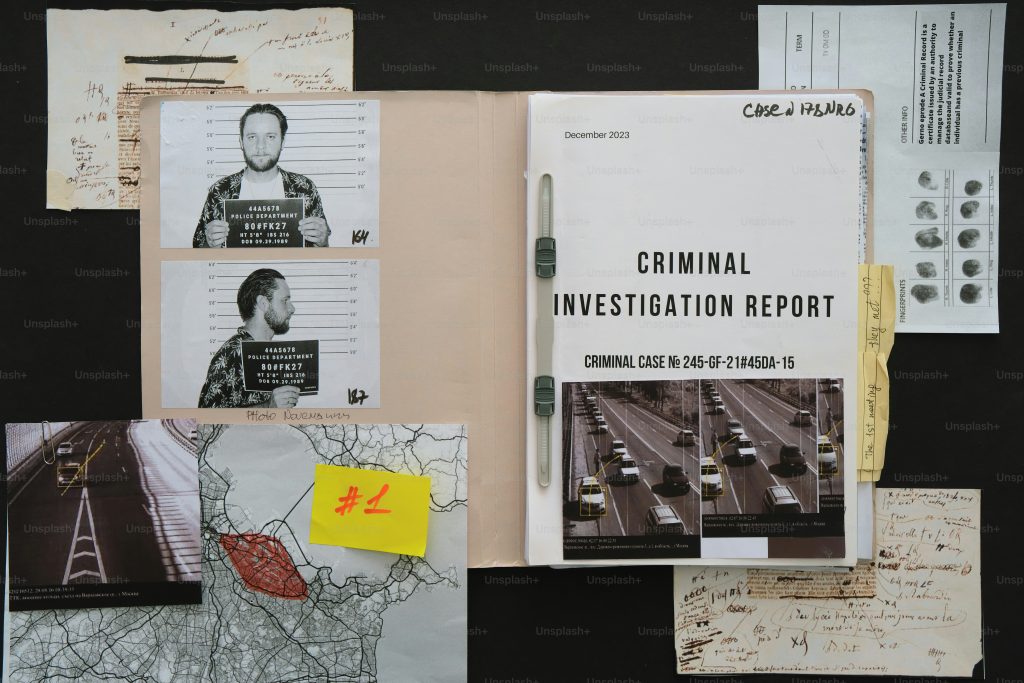
How law enforcement uses open source intelligence responsibly: the collection disciplines, verification standards, legal boundaries and governance requirements.

A survey of the crime analysis software stack in modern police intelligence units, what each layer does, and the integration gaps that cause most failures.

A methodological guide to CDR analysis: what call detail records contain, the analytical techniques that work, and the interpretation errors that undermine cases.

What link analysis software does, how the entity-link model works, where it fails, and what intelligence units should look for when building the capability.
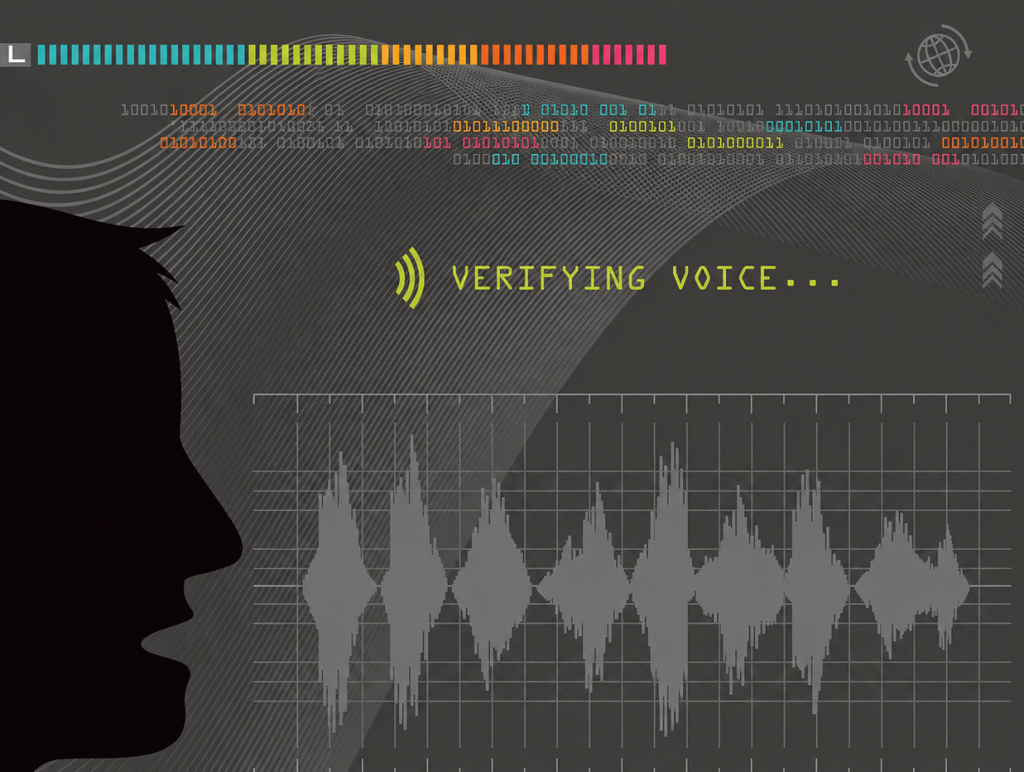
AI-powered speaker recognition enables law enforcement agencies to identify suspects across thousands of intercepted calls by analyzing unique voice characteristics. It helps uncover criminal networks, connect anonymous callers, and accelerate organized crime investigations.

Selecting the right digital forensics voice tool is critical for agencies handling complex investigations. Key factors such as transcription accuracy, multilingual capabilities, speaker identification, data security, and compliance with legal standards play a vital role.
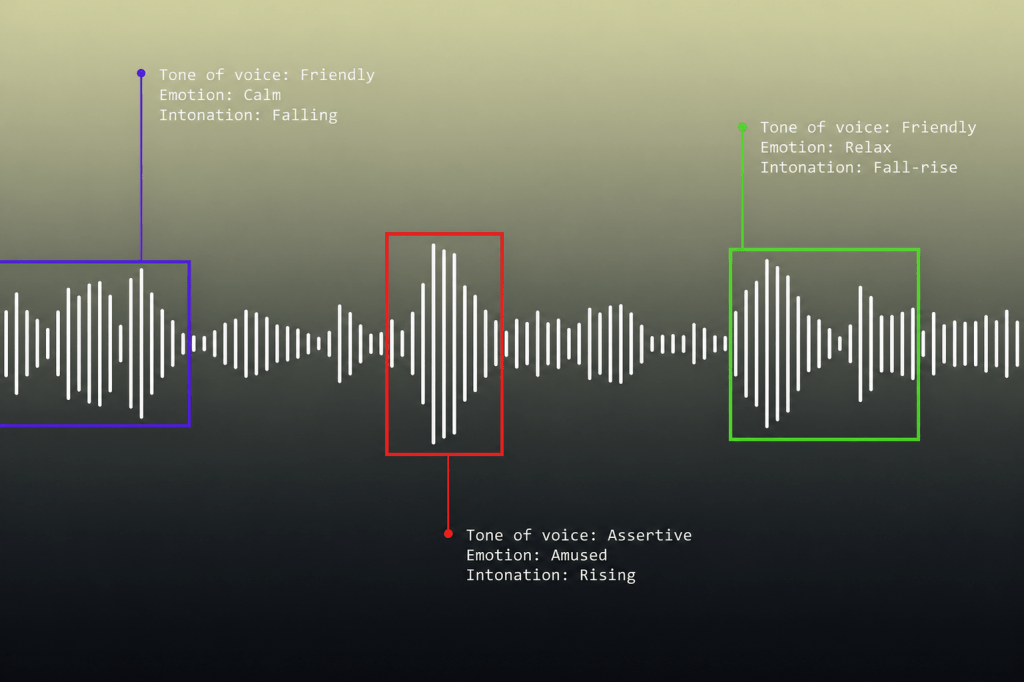
Investigative speech analytics involves using advanced AI-driven tools to analyze audio data for insights such as speaker identity, tone, intent, and hidden patterns. In crime investigations, it helps law enforcement process large volumes of intercepted calls, recordings, and voice evidence, enabling faster detection of threats, uncovering connections between suspects, and strengthening the accuracy of forensic analysis.

Artificial Intelligence is transforming crime investigations by helping police predict, prevent, and solve cases faster. From analyzing crime scenes and tracking suspects to identifying patterns through biometric data and surveillance footage, AI tools are making policing smarter and more efficient across India.

In a recent court ruling on a fatal shooting incident of February 2024 in Cleveland, USA, a judge in Ohio court excluded the facial recognition evidence. After failing to secure leads, the investigators had turned to surveillance footage taken days after the crime. An AI facial recognition software was used to identify a suspect.